Our insights explain how tariffs, export payments and the Scottish grid affect a home battery. Every article is dated and names its sources, because tariff terms change often. We do not publish headline savings figures: what a battery is worth depends on your tariff, usage and home, so a no-obligation survey gives figures for your home.
Published 15 August 2026
Agile sets a new price every half hour, so overnight prices can fall very low on windy nights and rise sharply in the evening — ideal for a battery with good software. Intelligent Octopus Go offers a fixed overnight window, which is simpler and more predictable. We explain how each works in South and North Scotland, and which households each suits.
Published 8 August 2026
Published SEG flat rates ran from roughly 1p to 25p per kWh in 2026, and Outgoing Octopus pays a flat 12p/kWh from 1 March 2026 (Octopus Energy). We cover how the scheme works, flat versus time-of-use export, and the simple rule for deciding whether to export or store.
Why Scotland is different
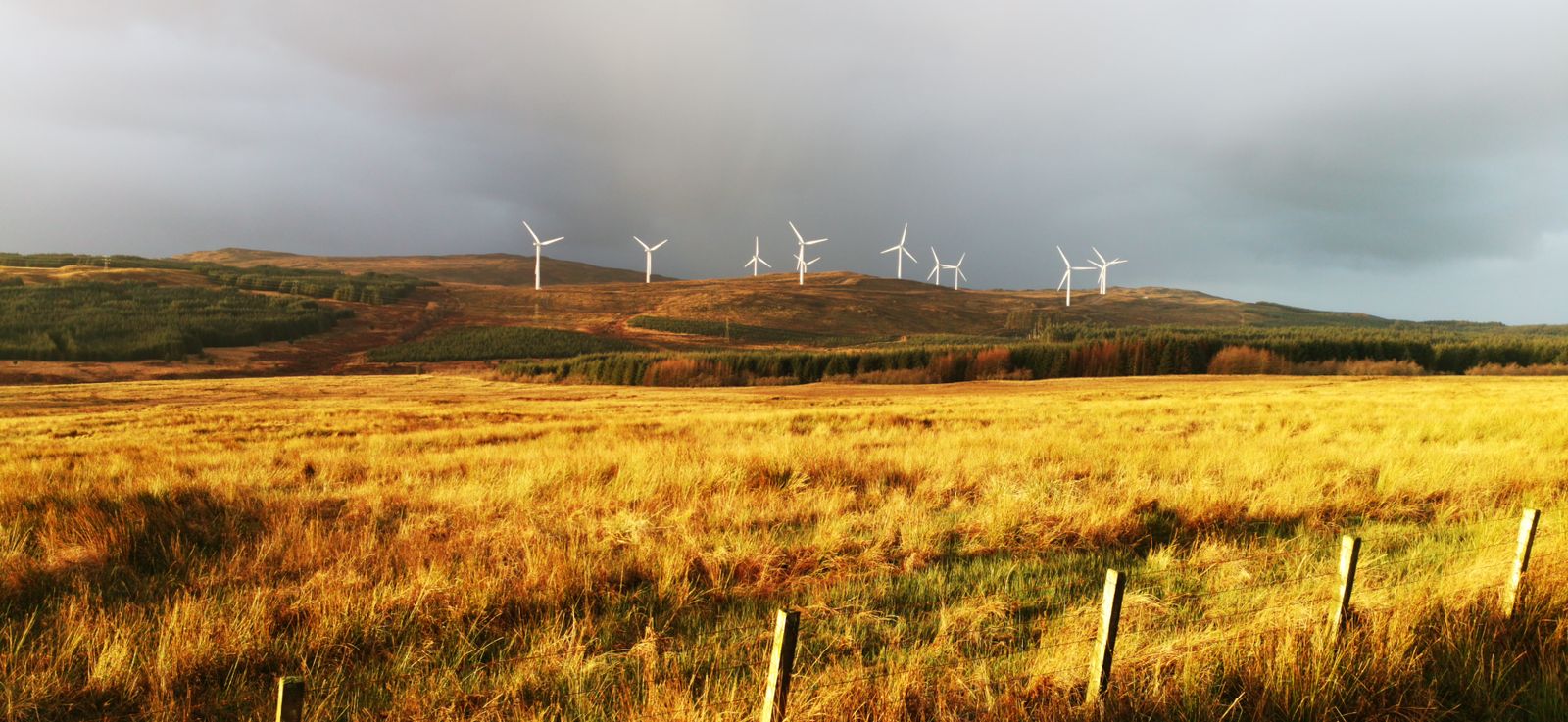
Scotland generates a large share of the UK's wind power, which means overnight electricity is often plentiful and cheap, especially on stormy winter nights. Solar output is lower in December and January but strong from May to August, with long daylight hours in the north. Two network operators serve the country: SP Energy Networks in the central belt and south, and SSEN in the north and on the islands. Each of these shapes how a battery is best used in your area.
How housing type changes the picture
A flat in a sandstone or granite tenement usually has no roof of its own, so a battery there works on grid arbitrage alone and the tariff choice matters most. A harled semi or terrace often has room for a modest solar array, so export rates come into play in summer. Rural detached houses and farmhouses are frequently off the gas grid, with oil, LPG or electric heating, and their evening demand can be higher. Our explainers note where these differences matter.
All our guides